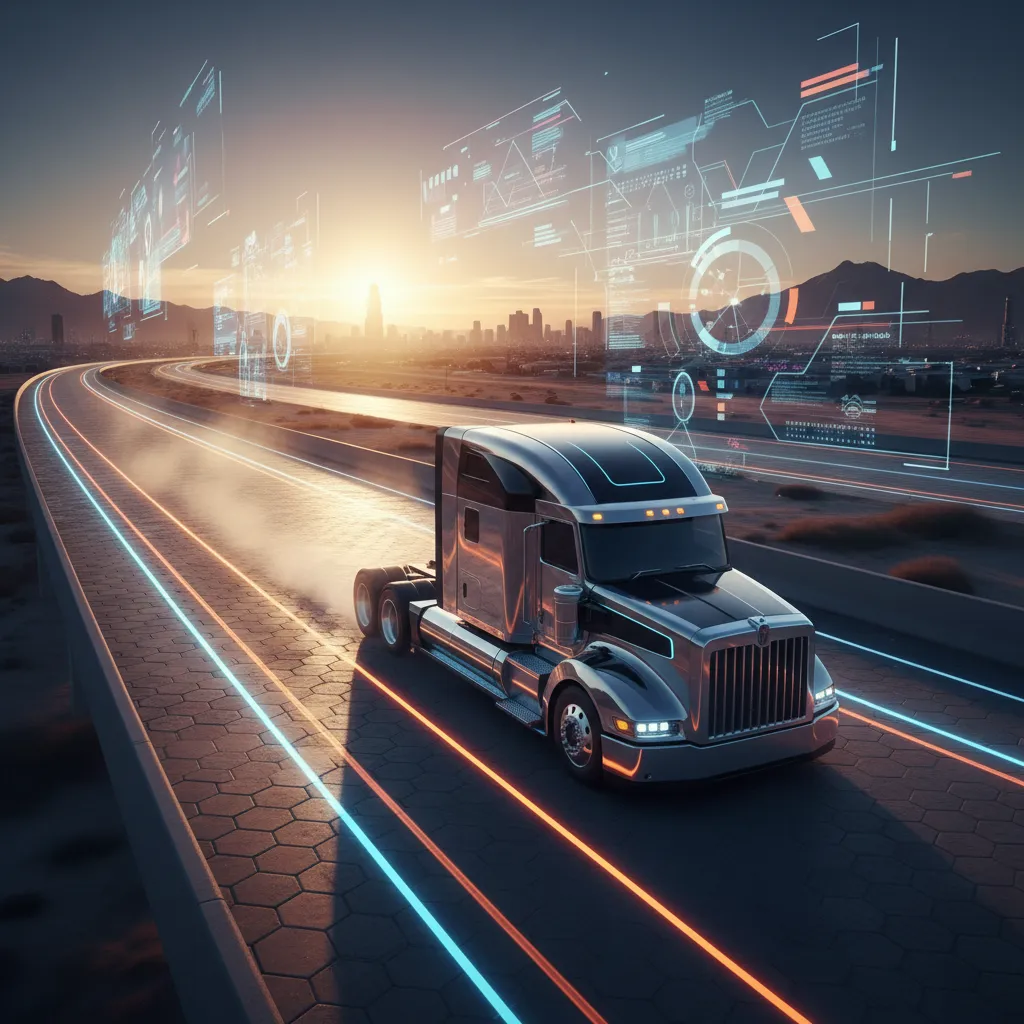
AI Route Optimization: Driving 2026 Fleet Efficiency
Discover how next-gen AI route optimization and driver scorecards are reshaping fleet efficiency. Learn to slash fuel costs and master asset utilization for 2026.
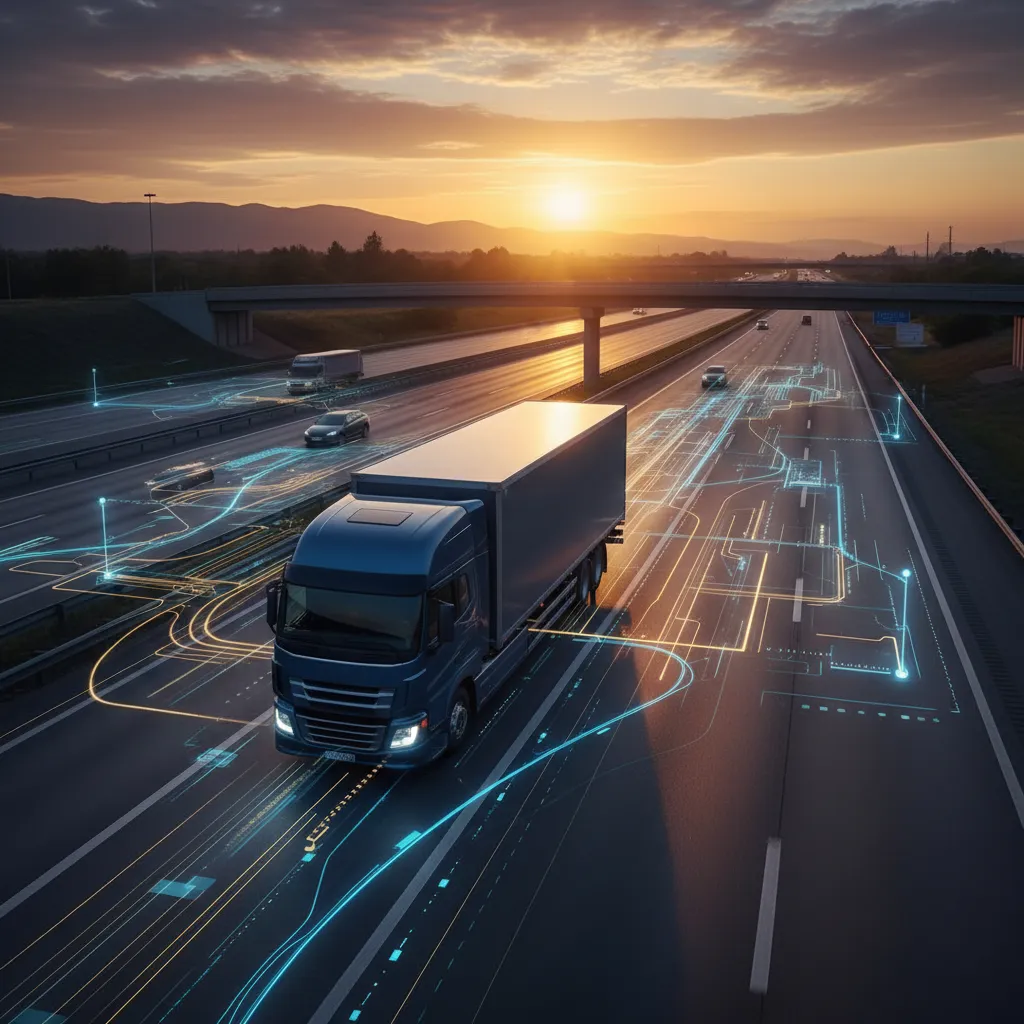
The Shift from Static Planning to Dynamic AI Optimization
For decades, route planning was a reactive process. Dispatchers looked at maps, estimated arrival times, and hoped for the best. As we approach 2026, the margin for error has evaporated. Rising insurance premiums, fluctuating fuel prices, and a tightening regulatory environment mean that 'good enough' routing is now a liability. Next-generation AI route optimization is no longer a luxury; it is the baseline for survival in the American logistics landscape.
TL;DR: Fleet Efficiency Essentials
- Predictive Power: AI now anticipates congestion before it happens using historical and real-time data.
- Driver Integration: Linking routing to driver scorecards identifies how behavior affects fuel burn on specific terrains.
- Asset Maximization: Automated load sequencing ensures trailers are never moving air.
- 2026 Preparedness: Adapting to crumbling infrastructure and new urban delivery restrictions through algorithmic agility.
H2: Beyond GPS: The Mechanics of Predictive Analytics
Standard GPS systems tell you where a truck is; predictive analytics tell you where the truck should be three hours from now to avoid a localized bottleneck. AI route optimization engines now ingest thousands of data points, including weather patterns, port congestion levels, and even local event schedules that impact urban delivery windows.
In 2026, the differentiator is the ability to process "micro-events." If a specific bridge on I-95 has historical slowdowns every Tuesday at 2:00 PM due to maintenance, the AI reroutes the driver at noon. This level of granularity directly impacts asset utilization. By shaving 15 minutes off every leg of a journey, a mid-sized fleet can effectively add the capacity of two extra trucks per month without hiring a single new driver.
H2: Integrating Driver Scorecards with Route Performance
Routing does not happen in a vacuum—it happens in a cab. The most advanced carriers are now merging their routing data with driver scorecards. This creates a holistic view of efficiency that considers both the path taken and the person driving it.
Why the Integration Matters:
- Terrain-Adjusted Fuel Goals: A driver crossing the Rockies shouldn't be judged by the same fuel economy standards as a driver in the Midwest. AI adjusts expectations based on the specific route's elevation and stop-start frequency.
- Safety Correlation: Data shows that rushed drivers on poorly optimized routes are more likely to engage in hard braking or speeding. By providing realistic, AI-calculated windows, fleets reduce driver stress and liability.
- Performance Incentives: Using tools like Fleegital, carriers can automate driver rewards based on how closely they adhere to optimized routes and fuel-efficient driving techniques.
H2: Slashing Fuel Costs Through Algorithmic Precision
Fuel remains one of the top two operating expenses for any carrier. While fuel surcharges provide some protection, they don't cover the waste of idling in avoidable traffic. AI route optimization targets fuel reduction through three primary levers:
- Deadhead Reduction: By analyzing backhaul opportunities in real-time, AI ensures that assets are generating revenue for a higher percentage of total miles driven.
- Idling Mitigation: Predictive arrival windows allow warehouses to prepare for a truck's arrival, significantly reducing the time spent idling in a yard.
- Optimal Fuel Stop Planning: Algorithms can now calculate where to stop based on the lowest price along a route, the truck’s current weight, and the projected fuel burn to reach the next station.
H2: Navigating 2026’s Infrastructure and Congestion
The U.S. Department of Transportation predicts a significant increase in freight volume by 2026, yet infrastructure expansion remains slow. Urban centers are also implementing stricter emissions zones and delivery timeframes.
Dynamic routing allows fleets to pivot when a planned route becomes unviable. If a major thoroughfare is closed for emergency repairs, the AI doesn't just find a detour; it recalculates the entire day's sequence for all affected assets. This agility prevents the "domino effect" where one delay ruins five subsequent appointments. To stay competitive, fleets must move toward fleet management software that offers real-time API integrations with infrastructure monitoring services.
H2: Maximizing Asset Utilization in a Volatile Market
Asset utilization is the ultimate metric for profitability. If a tractor is sitting, it’s costing money. AI helps maximize this by optimizing the "Triangular Route." Instead of simple A-to-B-to-A hauling, AI identifies A-to-B-to-C-to-A loops that minimize empty miles.
Furthermore, predictive maintenance schedules can be baked into the routing logic. If a truck's telematics indicate a potential alternator failure, the AI can route that vehicle to a terminal for inspection at the end of its current shift, ensuring it doesn't break down on a critical high-priority route the following morning.
H2: The Role of Fleegital in Modern Fleet Management
Implementing these advanced technologies requires a centralized hub. Fleegital empowers carriers by streamlining the data flow between dispatch, the driver, and the back office. By providing clear visibility into performance metrics, Fleegital ensures that the insights generated by AI routing are actually translated into actionable driver habits and executive decisions. In an industry where pennies per mile determine the winner, having a unified platform for these data points is essential.
Key Takeaways for Trucking Executives
- Stop Reacting, Start Predicting: Shift from traditional dispatching to AI-driven predictive routing to bypass congestion before it forms.
- Connect the Data: Merge routing software with driver scorecards to get a true picture of operational efficiency.
- Focus on the 'Middle Mile': While last-mile gets the buzz, AI optimization in the long-haul middle mile offers the largest scale for fuel savings.
- Audit Your Tech Stack: Ensure your current fleet management software can handle real-time data ingestion and provide 2026-ready scalability.
- Leverage Asset Loops: Use algorithms to find multi-point routes that eliminate deadhead miles and keep trailers full.
Tagged