Maximizing Asset Utilization: The 2026 Smart Route Playbook
Discover how next-gen AI route optimization and driver scorecards integrate to eliminate fuel waste and idle time. A data-driven guide for maximizing trucking asset utilization.
The Shift from Mileage to Margin
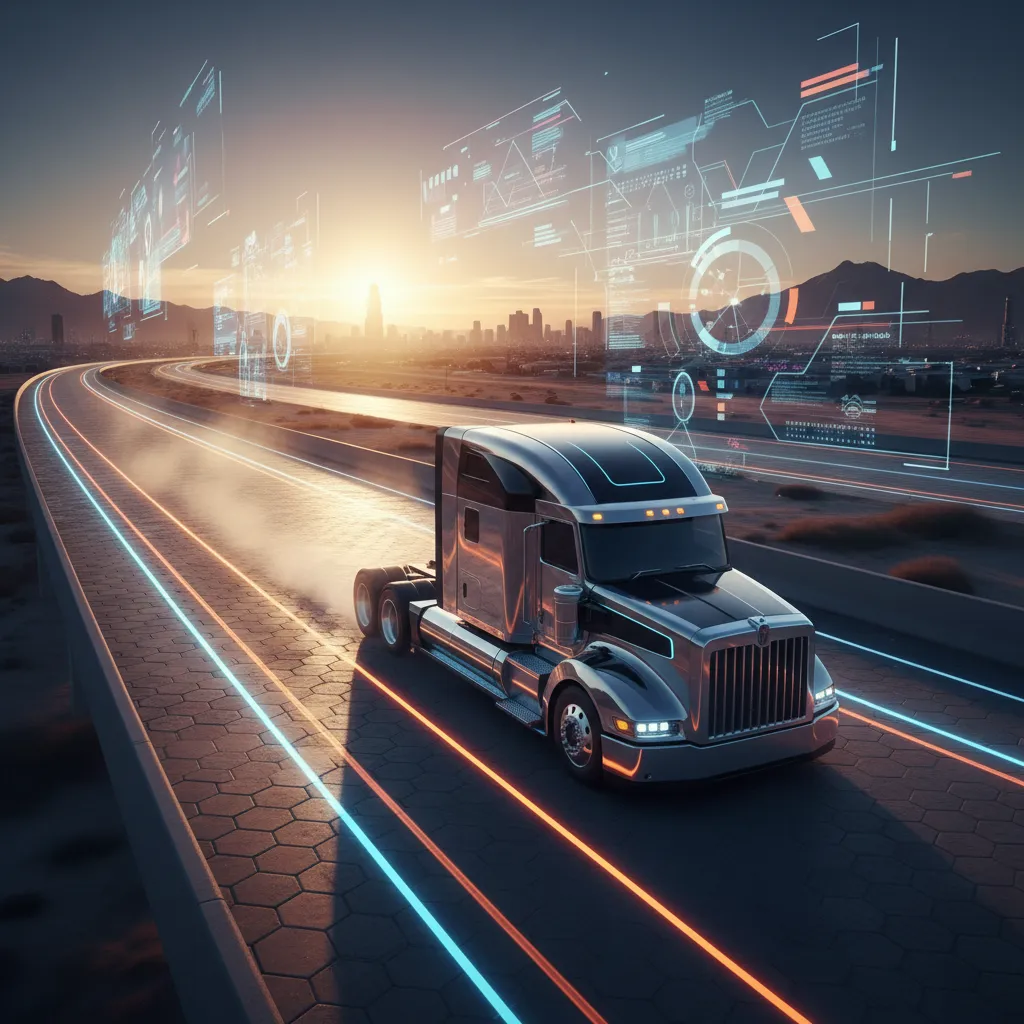
For decades, the metric for success in the trucking industry was simple: miles driven. In the current economic climate, however, high mileage does not automatically translate to high profitability. As operating costs—ranging from insurance premiums to maintenance—continue to climb, fleet executives are shifting their focus toward asset utilization. The goal is no longer just to keep trucks moving, but to ensure every mile driven generates maximum margin.
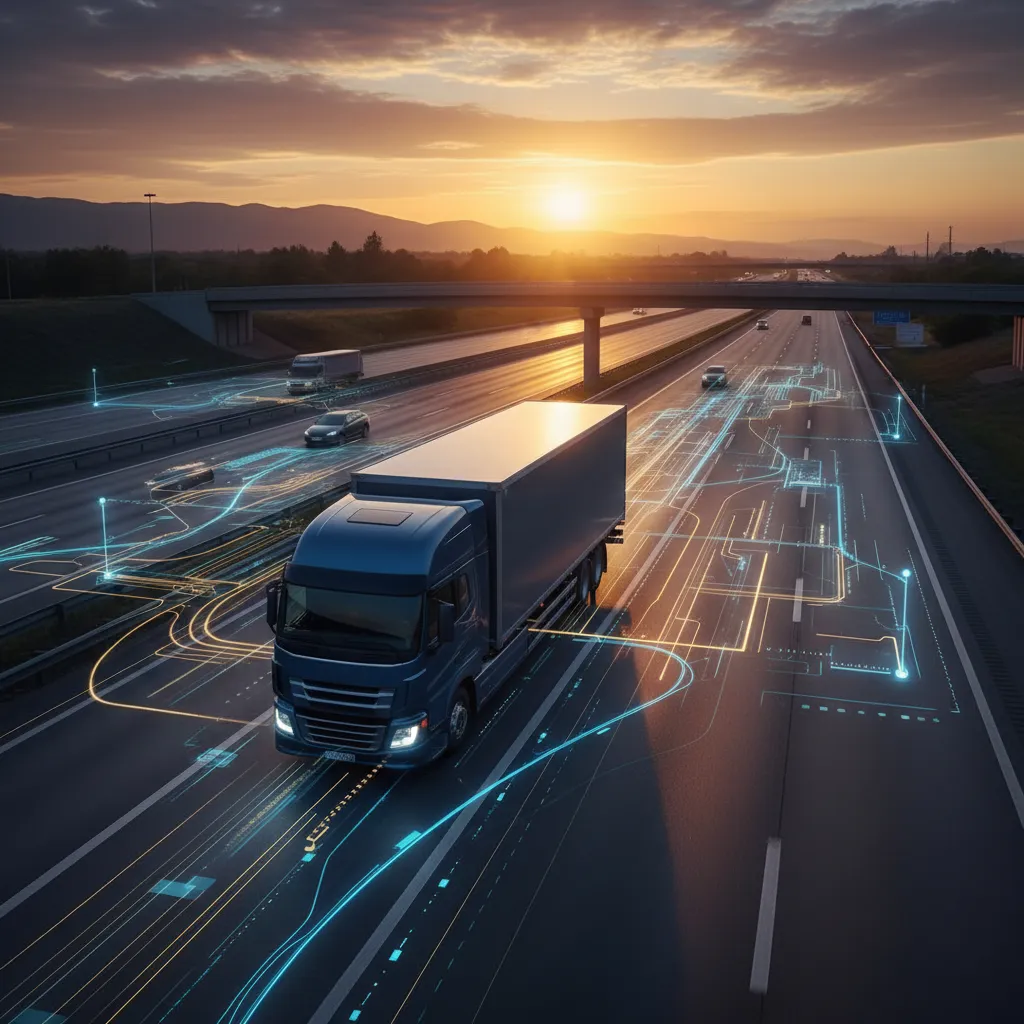
Maximizing asset utilization requires a departure from traditional dispatching toward a unified digital ecosystem. The "2026 Smart Route Playbook" focuses on the intersection of AI-driven route optimization and granular driver performance metrics. By synchronizing these two variables, carriers can eliminate the "dead zones" of profitability: excessive idling, out-of-route miles, and inefficient fuel consumption.
TL;DR: The Smart Route Playbook at a Glance
- Dynamic Optimization: Move beyond static routing to real-time AI adjustments based on traffic, weather, and port congestion.
- Scorecard Integration: Link route compliance directly to driver incentives to reduce unauthorized diversions.
- Fuel Management: Use predictive analytics to identify fuel-efficient paths that account for elevation and stop-and-go patterns.
- Data Consolidation: Integrate Transportation Management System (TMS) data with telematics for a single source of truth.
H2: Transitioning to Dynamic Route Optimization
Static routing is a relic of a pre-data era. Traditional routes often fail to account for the micro-fluctuations that occur during a long-haul trip. Dynamic Route Optimization (DRO) uses machine learning to process thousands of data points—such as historical lane speeds, real-time weather incidents, and ELD-logged hours of service (HOS)—to prescribe the most efficient path in real-time.
When a driver encounters an unexpected three-hour delay at a terminal, a static plan falls apart. A smart system automatically recalculates the route to ensure the driver can still make their next appointment without violating HOS regulations. This prevents the asset from sitting idle in a parking lot when it could be generating revenue on an alternative lane.
H2: The Role of Driver Scorecards in Route Compliance
Even the most advanced AI route is useless if the driver does not follow it. This is where the integration of driver scorecards becomes critical. By feeding route compliance data directly into a scorecard, fleet managers can identify which drivers are frequently taking inefficient detours or idling excessively at truck stops.
Modern scorecards should measure:
- Route Adherence: The percentage of miles driven that align with the optimized plan.
- Fuel Efficiency: MPG adjusted for load weight and topography.
- Safety Events: Hard braking or speeding, which often correlate with rushed, inefficient driving after a delay.
By gamifying these metrics, carriers can incentivize the behaviors that lead to better asset utilization. When drivers understand that their bonuses are tied to following the "smart path," the gap between planned and actual miles narrows significantly.
H2: Eliminating Fuel Waste Through Predictive Analytics
Fuel remains one of the largest controllable expenses for any carrier. However, fuel waste isn't just about the price at the pump; it’s about how the fuel is consumed. Smart route optimization accounts for topographical data. A route that is five miles shorter but involves significant mountain climbing may consume more fuel than a flatter, slightly longer alternative.
AI engines now analyze engine load data via telematics to determine the "fuel-optimal" route. Furthermore, by integrating this with driver scorecards, companies like Fleegital help carriers identify if a dip in fuel economy is due to the route itself or driver behavior, such as excessive idling during rest periods. Reducing idle time by just 10% across a mid-sized fleet can result in six-figure annual savings.
H2: Leveraging TMS Data for Hollistic Fleet Health
Your Transportation Management System (TMS) is a goldmine of untapped potential. To maximize asset utilization, the TMS must communicate seamlessly with telematics and routing software. This integration allows for "circular logic" in fleet management:
- Plan: The TMS identifies the high-margin load.
- Optimize: The AI routing engine finds the most efficient path.
- Execute: Telematics track the driver’s adherence to the plan.
- Analyze: Driver scorecards provide feedback on the execution.
Without this feedback loop, fleet managers are often looking at data that is 30 days old. Real-time TMS integration ensures that if a truck is underutilized on a Tuesday, the dispatch team can correct the behavior by Wednesday, rather than finding out during the end-of-month review.
H2: The Impact on Driver Retention and Safety
It is a common misconception that strict route optimization leads to driver dissatisfaction. In reality, drivers are most frustrated by "dead time"—waiting for loads, sitting in avoidable traffic, or dealing with poorly planned stops.
Smart routing prioritizes the driver’s time. By reducing the frustration of inefficient planning, carriers can improve driver retention. Furthermore, an optimized route is often a safer route. By avoiding high-congestion areas during peak hours and ensuring drivers have ample time to reach their destinations within HOS limits, fleets naturally reduce the stress that leads to accidents. Using a data-driven approach, such as those championed by Fleegital, allows for a balance between aggressive utilization and driver well-being.
H2: Future-Proofing for 2026 and Beyond
As we approach 2026, the carriers that survive the tightening margins will be those who treat their fleet as a high-tech ecosystem rather than a collection of mechanical assets. The integration of AI isn't just a trend; it is a necessity for scalability.
Future iterations of the Smart Route Playbook will likely include autonomous vehicle (AV) lane integration and predictive maintenance scheduling that pulls a truck into a shop only when the route takes it past a certified facility, further reducing empty miles. Carriers must invest in the digital infrastructure today to be compatible with the logistics landscape of tomorrow.
Key Takeaways for Fleet Executives
- Shift Focus: Move from "miles per day" to "margin per asset."
- Integrate Silos: Ensure your TMS, telematics, and routing software share data in real-time.
- Incentivize Compliance: Use driver scorecards to turn optimized routes into a company-wide standard of performance.
- Monitor Topography: Account for fuel consumption beyond simple distance; look at engine load and elevation.
- Act Fast: In a low-rate environment, the efficiency gained through asset utilization is the primary driver of profitability.
Tagged