Best ELD for Owner Operators: 2026 Selection Guide
Selecting the right ELD impacts your daily compliance and overhead. This guide breaks down hardware types, data reliability, and IFTA reporting for owner operators.
Selecting an electronic logging device is a foundational business decision for an owner-operator. The choice dictates how you interact with HOS regulations every day and influences your administrative burden at the end of every quarter. As the market stabilizes in 2026, the focus has shifted from basic connectivity to data accuracy and long-term hardware reliability.
TL;DR: Choosing Your ELD
- Compliance First: Verify the device is on the FMCSA Registered ELDs list.
- Hardware Choice: Decide between Bring Your Own Device (BYOD) and dedicated hardware.
- Data Accuracy: Prioritize units that minimize GPS drift and manual log edits.
- Admin Tools: Look for integrated IFTA reporting to save hours on tax filings.
- Support: Ensure the provider offers technical assistance during your driving hours.
Understanding the Hardware Options
There are two primary categories of ELD hardware. The first is the Bring Your Own Device (BYOD) model, where a dongle plugs into the ECM port and syncs via Bluetooth to your smartphone or tablet. This is often the preferred route for drivers who want to use their own hardware and keep upfront costs low. However, connectivity issues between the phone and the dongle can lead to data gaps.
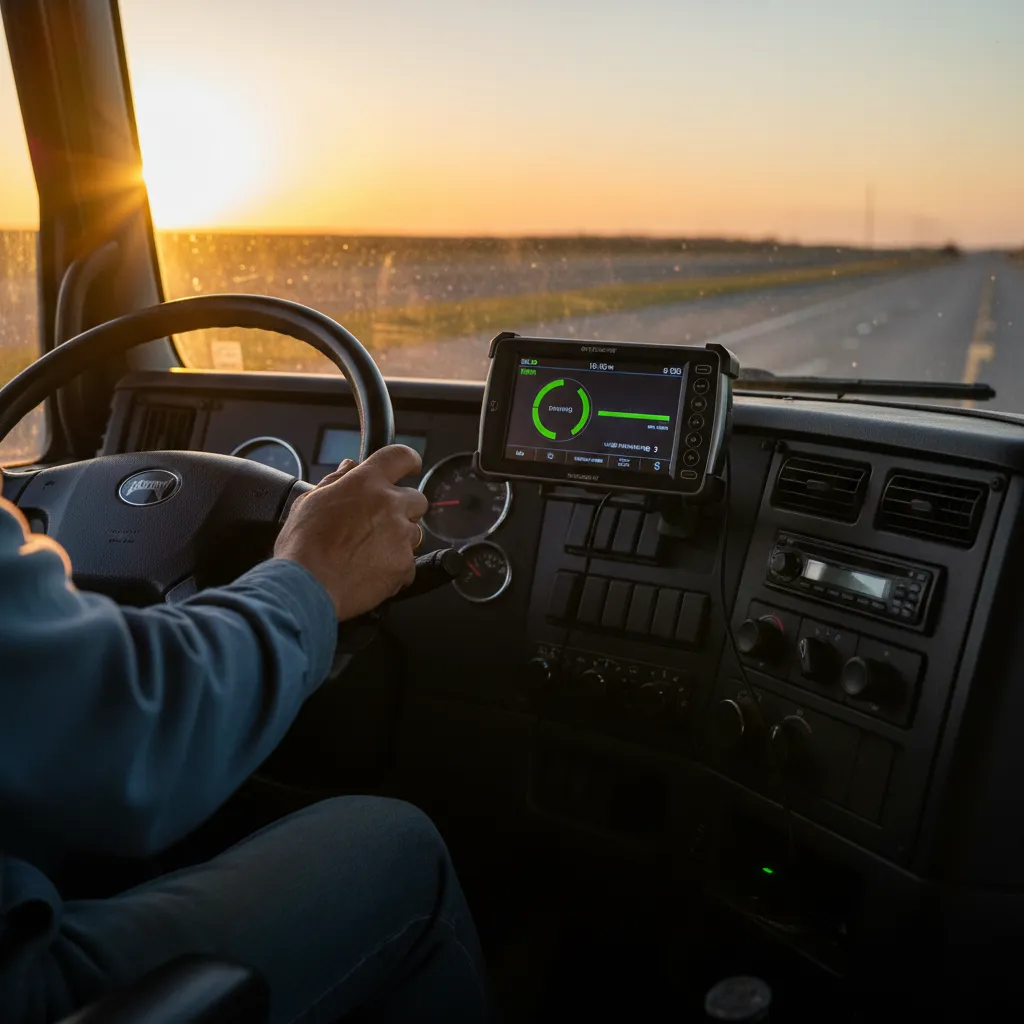
The second category is the dedicated all-in-one unit. These devices come with their own screen and cellular connection. While often carrying a higher initial cost or a longer contract, they generally offer a more stable connection and prevent personal phone notifications from interfering with the log interface. For an owner operator, a dedicated unit ensures that if a phone breaks, compliance remains intact.
FMCSA Registration and Compliance Verification
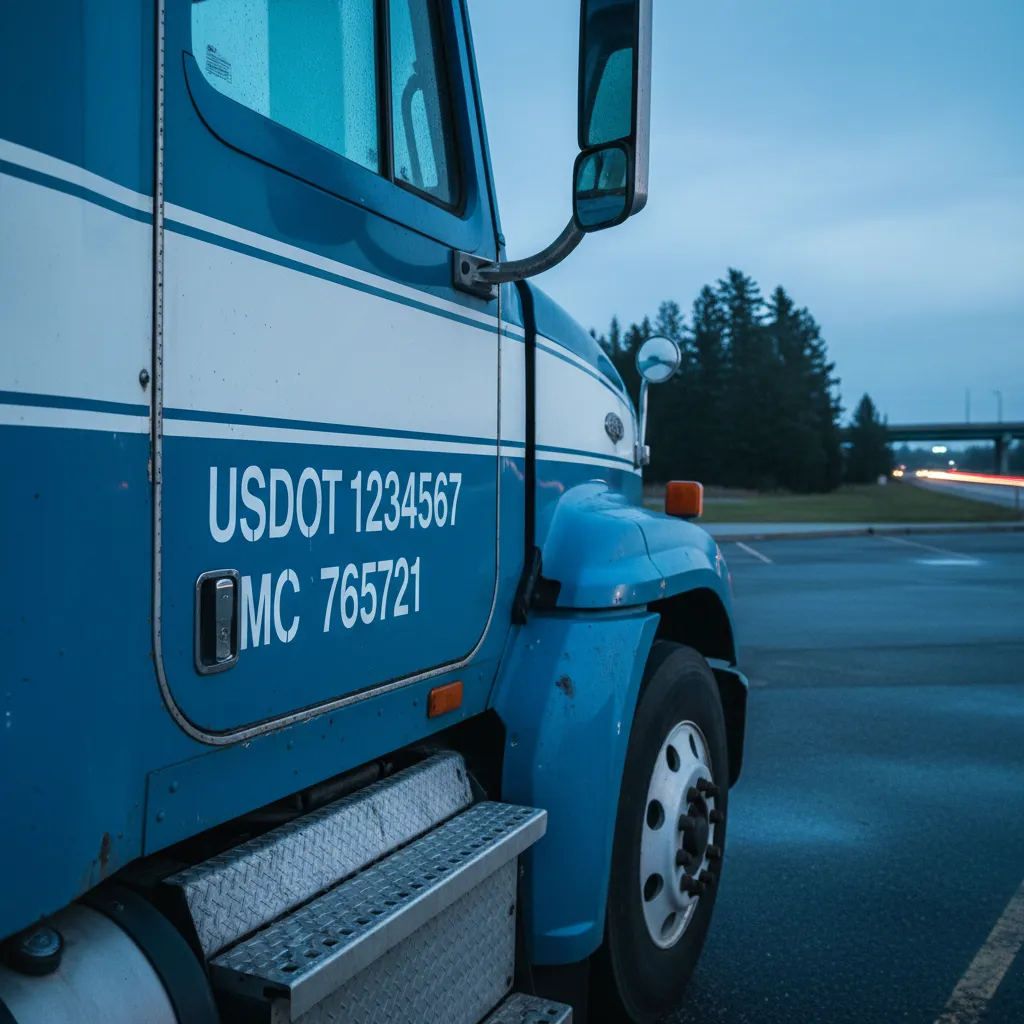
The most critical step is ensuring the device is listed on the FMCSA's registry. Manufacturers self-certify their devices, meaning the burden of verification often falls on the buyer. Check the registry for the specific model and software version you intend to buy. A device that loses its certification puts your USDOT number at risk during inspections.
Beyond basic logging, look for how the device handles the sleeper berth provision. The software should clearly show your remaining hours in real-time to prevent accidental violations. If you are managing your own authority, having a system that integrates with fmcsa compliance software can streamline your audit readiness.
Evaluating IFTA and Performance Reporting
For an owner operator, the ELD should do more than track time; it should track distance and fuel. IFTA reporting is a standard feature for many high-tier providers, but the quality of the data varies.
Ask these questions when evaluating reporting features:
- Does the system automatically calculate miles driven per state based on GPS pings?
- Can you upload fuel receipts via a mobile app to sync with those miles?
- Does the software generate a ready-to-file report for your quarterly tax returns?
Using an owner-operator cost per mile calculator alongside your ELD data allows you to see the true profitability of your routes. Accurate mileage tracking eliminates the guesswork involved in manually calculating deadhead miles.
The Cost Structure of Modern ELDs
Price models typically fall into three buckets. Some providers offer hardware for free with a higher monthly subscription and a long-term contract. Others require you to purchase the hardware upfront for a lower monthly fee. A few offer a no-monthly-fee model, though these often charge for data transfers or advanced reporting features.
Consider your long-term plans. If you intend to scale and eventually need cdl driver recruiting software to add seats, choosing a provider with a scalable platform is wise. Fleegital helps small carriers manage their growth by automating the backend, but your ELD remains the primary source of truth for driver data.
Support and Reliability in the Field
Hardware failure is an inevitable part of electronics. An owner operator cannot afford to be grounded because of a malfunctioning dongle or a software glitch that won't let them sign their logs. When researching the best ELD for owner operators, look at reviews specifically mentioning customer support response times.
Test the support line before you buy. If you cannot reach a human during standard business hours, consider how difficult it will be to get help at a scale house on a Saturday night. Reliability also extends to the ELD app interface. It should be intuitive enough to navigate quickly during a roadside inspection to avoid unnecessary tension with officials.
Comparing Data Transfer Methods
During a roadside inspection, you must be able to transfer your logs to the officer. Most modern devices use the web services or email transfer methods. Some older or cheaper units may rely on USB or Bluetooth transfers, which can be prone to compatibility issues with the officer's equipment. Ensure your chosen device supports the latest FMCSA data transfer protocols to make inspections as brief as possible.
Managing Your Compliance This Week
Before signing a contract or purchasing new hardware, perform a quick audit of your current setup. Verify that your current MVR is on file and that your medical card is updated in your driver qualification file. Download your last three months of logs and check for recurring unidentified driving events. If your current ELD makes it difficult to assign these events, it is time to look for a replacement that offers better data transparency.
FAQ
Can I use a free ELD app for compliance?
While some apps are free to download, they must be paired with an ECM-linked hardware device to be FMCSA compliant. A standalone app on a phone without a vehicle connection does not meet the legal requirements for an ELD.
What happens if my ELD malfunctions on the road?
You are required to notify the carrier (yourself) within 24 hours and maintain paper logs for the duration of the malfunction. You generally have 8 days to repair or replace the unit unless you receive an extension from the FMCSA.
Does every ELD track my location at all times?
ELDs track location during engine start, stop, and at intervals while the vehicle is in motion. However, during "Personal Conveyance" mode, the location precision is reduced to protect driver privacy as per FMCSA guidelines.
How does the ELD affect my CSA score?
The ELD itself does not change your score, but violations recorded by the device or identified during inspections do. Proper use of an ELD can actually protect your CSA score by preventing form and manner errors common with paper logs.
Tagged