Lease Purchase vs Lease On Trucking: Key Differences for Drivers
Deciding between lease purchase and leasing on determines your overhead and asset ownership. This guide breaks down the financial risks and contract terms you must audit.
Running as an owner-operator requires a clear understanding of where your revenue goes versus where your equity builds. The choice between a lease-purchase agreement and leasing onto a carrier with an owned or third-party financed truck is often the difference between building a long-term business and simply paying for a job. While both models involve operating under a carrier's authority, the financial structures and exit strategies vary significantly. This guide analyzes the mechanics of both paths to help you determine which fits your cash flow requirements.
TL;DR
- Lease On: You own or finance the truck independently; you provide the equipment to a carrier in exchange for freight access and administrative support.
- Lease Purchase: You rent the truck from the carrier with the intent to own it after a series of payments; the carrier acts as both your employer and your creditor.
- Risk Profile: Lease purchase carries higher risk because the carrier controls both your income (loads) and your debt (truck payments).
- Equity: Leasing on builds equity from day one; lease purchase often results in zero equity if the contract is terminated early.
Understanding the Lease On Model
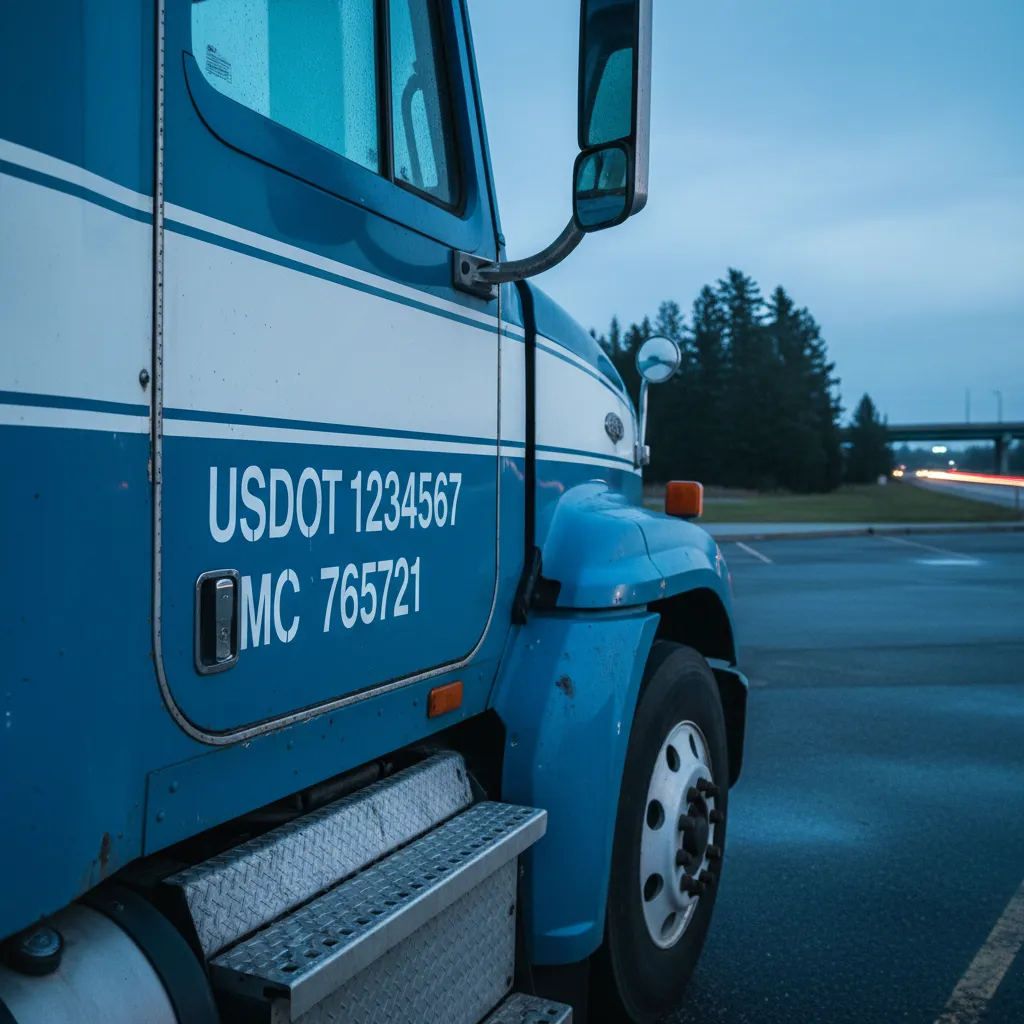
When you choose to lease-on to a carrier, you are essentially a small business owner contracting your equipment and labor to a larger entity. You typically bring your own truck, which you have purchased through a dealer or third-party lender. In this arrangement, you use the carrier's MC-number and USDOT-number, but you retain the title or the primary loan obligation.
The carrier provides the freight, handles IFTA filing, and manages the primary liability insurance. In exchange, they take a percentage of the load or a flat fee. This model is preferred by operators who want to maintain a separation between their equipment provider and their freight provider. If the carrier’s rates drop, you can take your truck and lease on elsewhere without losing the vehicle.
The Mechanics of Lease Purchase Programs
Lease purchase programs are often marketed as a way for drivers with limited capital or credit to become owners. Under this model, the carrier (or an affiliated leasing company) provides the truck. You make weekly payments that are deducted directly from your settlements. At the end of the lease term, there is usually a "balloon payment" required to take full ownership of the title.
The primary danger here is the conflict of interest. Because the carrier controls the dispatch, they determine your ability to make the truck payment. If freight volume decreases, the truck payment remains fixed, which can lead to negative settlements where the driver owes the carrier money at the end of the week. Before signing, use an owner-operator cost per mile calculator to ensure the math supports the weekly lease obligation.
Financial Comparison: Equity vs. Cash Flow
In a standard lease-on scenario, your truck payment is a fixed cost paid to an outside bank. Your interest rate is determined by your credit score and the market. Once the loan is paid, you own the asset outright. This asset has resale value that stays on your balance sheet.
In a lease purchase, the "payments" are often higher than a bank loan because they include a premium for the lack of a down payment or credit check. Furthermore, many lease purchase contracts are "walk-away" leases, meaning you can return the truck at any time. While this sounds flexible, it also means you are not building traditional equity during the lease term. If you walk away or are terminated one month before the lease ends, you generally walk away with nothing.
Contract Red Flags in Lease Purchase Agreements
If you are considering a lease purchase, you must audit the contract for specific clauses that favor the carrier at your expense. Be wary of:
- Prohibitive Maintenance Accounts: Contracts that require you to pay into a maintenance fund held by the carrier, but do not allow you to choose the repair shop or access the funds if you leave the company.
- Escrow Forfeiture: Terms stating that your BOC-3 fees, base plate deposits, or security escrows are non-refundable regardless of performance.
- Force Majeure and Dispatch: Lack of a "guaranteed freight" clause while maintaining a "guaranteed payment" obligation.
- Balloon Payments: A final payment that is significantly higher than the actual market value of the truck at the end of the term.
Operators looking to transition into fleet ownership should evaluate how carriers manage their data. Effective owner-operator recruiting depends on transparency, and a carrier using modernized fmcsa compliance software is more likely to provide accurate settlement reporting.
Questions to Ask Before Signing
Before committing your business to a carrier, ask these specific questions regarding the lease structure:
- Can I take the truck to another carrier? (In 99% of lease purchases, the answer is no. In a lease-on, the answer is yes.)
- Who pays for the cargo and liability insurance? Ensure you know the deduction amount for your per-diem and insurance costs.
- Is there a "No-Forced Dispatch" policy? If you are a true independent contractor, you should have the right to refuse loads that are not profitable.
- What is the specific breakdown of the cpm-pay? Are you paid on all miles (hub) or household goods (HHG) miles?
Managing the Transition to Independence
Moving from a company driver to a lease-on owner-operator requires a shift in mindset from employee to executive. You are responsible for your own ELD compliance and HOS management. You must also account for the cost of your own benefits and taxes.
Tools like Fleegital help carriers maintain the necessary DQF and compliance records, but as the owner of the truck, you must ensure your records are pristine. This includes keeping your DOT medical card current and ensuring any annual driving record review is documented.
Action Items for This Week
To move forward, perform these three tasks this week. First, calculate your current personal monthly expenses to determine the absolute minimum settlement you can accept. Second, request a sample lease agreement from your target carrier and have a specialized transportation attorney review the "Default" and "Termination" sections. Finally, pull your own MVR and PSP reports to ensure there are no surprises that could disqualify you from the best lease-on opportunities or affect your insurance rates.
FAQ
What is the biggest risk of a lease purchase agreement?
The biggest risk is the lack of asset portability; if you are unhappy with the carrier's freight or treatment, you cannot move the truck to a different company, often resulting in the loss of all money paid toward the vehicle.
Is leasing on the same as having my own authority?
No, when you lease on, you operate under the carrier's MC and DOT numbers, whereas having your own authority requires you to obtain your own insurance, filings, and direct customer contracts.
Can I pay off a lease purchase early?
You must check the specific contract for "prepayment penalties," as some carriers rely on the interest or lease fees over the full term and may charge a fee for early buyout.
Why do carriers prefer lease purchase drivers?
Carriers often prefer this model because it ensures a dedicated pool of drivers who are financially tethered to the company, reducing the driver turnover rate compared to independent owner-operators.
Tagged