How to Recruit CDL Drivers: The 2026 Strategy Guide
A practical guide for recruiting managers on sourcing, qualifying, and seating CDL drivers. Optimize your recruitment funnel and reduce cost-per-hire with data-driven workflows.
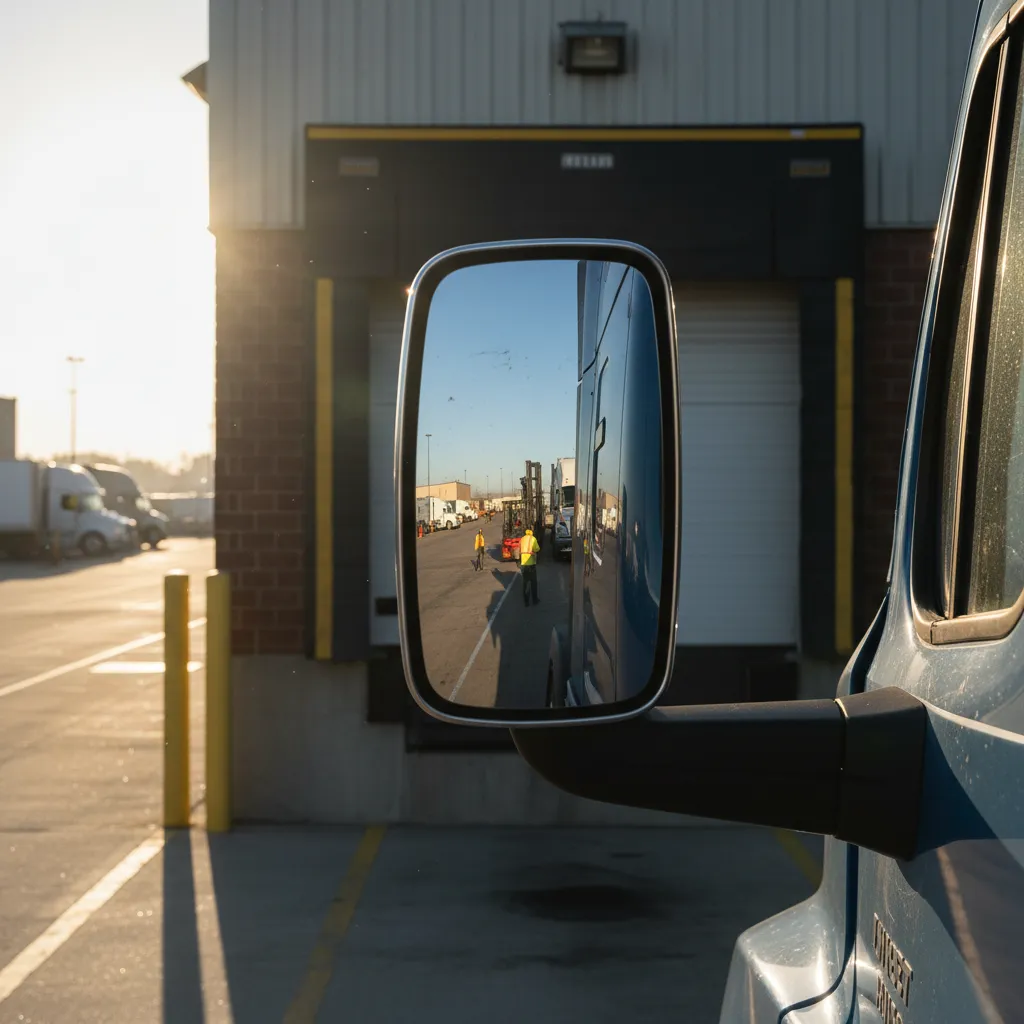
Finding qualified operators in a market saturated with job boards requires more than just increasing your ad spend. Success in 2026 depends on your ability to filter through high volumes of low-intent applications to identify the specific CDL-A holders who fit your equipment type and route structure. Recruiting managers must move away from broad-spectrum advertising and toward a targeted, data-backed funnel that prioritizes speed and driver experience from the first touchpoint.
TL;DR: The 2026 Recruiting Essentials
- Multi-Channel Sourcing: Balance organic social proof with paid job aggregators.
- Automated Qualification: Use prescreening to filter out ineligible drivers before they reach a recruiter.
- Speed to Lead: Response times must be measured in minutes, not hours, to capture active drivers.
- Cost Control: Monitor your truck driver cost per hire calculator results to adjust channel spend.
- Data Integrity: Centralize PSP and MVR checks within a single workflow.
Data-Driven Sourcing Strategies
To understand how to recruit CDL drivers effectively, you must identify where your ideal candidates spend their downtime. Relying solely on large job boards often leads to high applicant volume with low qualification rates. Diversify your sourcing by looking at niche communities and retargeting campaigns.
Direct social media advertising remains a primary driver for OTR and regional route positions. However, the creative must be transparent. Drivers are looking for specific details: home time, equipment age, and pay structure. If you are recruiting for an owner-operator model, your messaging should focus on fuel discounts and freight-factoring options rather than just base rates. Using a dedicated owner-operator recruiting approach ensures the messaging aligns with their business-owner mindset.
Optimizing the Qualification Funnel
Most carriers lose potential hires during the transition from a lead form to a full application. The friction of entering ten years of work history on a mobile device leads to high abandonment rates.
Implement a tiered application process. The initial stage should only collect essential data: years of experience, recent violations, and whether they have a current DOT medical card. Once a driver passes this initial filter, automation should trigger the full application. This prevents your team from wasting recruiter-capacity on candidates who don't meet your minimum insurance requirements or have disqualifying entries in the Clearinghouse.
Improving Speed-to-Lead and Response Times
In the current market, the carrier that calls first usually wins the driver. A driver looking for a new seat often applies to five or more companies in a single session. If your team waits two hours to follow up, the driver is likely already speaking with a competitor.
Speed-to-lead is the most critical metric in your recruiting department. Your system should employ lead-rotation to ensure new inquiries are instantly assigned to an available recruiter. Automated SMS follow-ups can bridge the gap, asking the driver a qualifying question or offering a link to schedule a call. This keeps the lead warm until a human can take over the conversation.
Screening for Safety and Compliance
Compliance should not be a bottleneck. By integrating DQF automation, you can pull DAC reports and conduct the annual-driving-record-review without manual data entry.
During the screening process, pay close attention to the driver's CSA score and any history of HOS violations. As insurance premiums continue to rise, maintaining a strict threshold for safety is non-negotiable. If you find your current process for managing these documents is cumbersome, searching for a Tenstreet alternative or a DriverReach alternative can help you find a platform that prioritizes a faster, more intuitive recruiter interface.
The Orientation and Handoff Process
The recruiting process does not end when the driver signs the offer letter. The gap between the offer and driver-orientation is where "ghosting" frequently occurs.
Maintain engagement by providing a clear itinerary for their first week. Use this time to collect remaining documentation for their Driver Qualification File. A well-organized onboarding process reduces the driver-turnover-rate by setting clear expectations from day one. When a driver arrives at the terminal and finds that their truck is ready and their paperwork is in order, it reinforces their decision to join your fleet.
Measuring Success and Reducing Costs
To lower your cost-per-seated-driver, you must analyze which channels produce the highest quality hires, not just the highest number of leads. Evaluate your unseated-truck-revenue-calculator results to see how much revenue is lost every day a truck sits idle.
If your cost-per-hire is increasing, look at your conversion rates at each stage of the funnel. Are drivers dropping out after the MVR pull? Or are they failing the road-test? Pinpointing the specific point of failure allows you to adjust your prescreening questions to better align with your actual hiring standards.
Action Plan for the Week
Instead of overhauling your entire department at once, focus on three specific tasks this week to improve your recruiting efficiency:
- Test your lead response time: Submit a test application through your website and time how long it takes for a recruiter to call or text you. If it is longer than 15 minutes, prioritize an automated SMS response.
- Audit your application mobile-friendliness: Try to complete your full application on a smartphone. Note any fields that are difficult to fill or pages that load slowly.
- Review your disqualification reasons: Look at the last 50 rejected applications. If a significant portion were rejected for the same reason (e.g., lack of hazmat-endorsement), add a knockout question to the very beginning of your lead form to save your team time.
FAQ
How can I reduce my cost per hire for CDL drivers?
Focus on improving your lead-to-full-app conversion rate by reducing friction in your application process. Using automated tools to filter unqualified leads early prevents recruiters from spending time on candidates who cannot be hired.
What is a good response time for a new driver lead?
Ideally, you should contact a new lead within 5 to 10 minutes. Because drivers often apply to multiple carriers simultaneously, the first company to engage them has a significantly higher chance of moving them to the orientation stage.
How does speed-to-lead impact driver retention?
While speed-to-lead is primarily a recruiting metric, it sets the tone for the driver's experience with the company. A fast, professional initial response indicates that the carrier is organized and values the driver's time, which builds trust before they even start orientation.
Tagged