Speed to Lead Trucking: Why the First Call Wins the Hire
Response time is the single most important factor in driver recruiting. Learn how to optimize your speed to lead to beat competitors and lower your cost-per-hire.
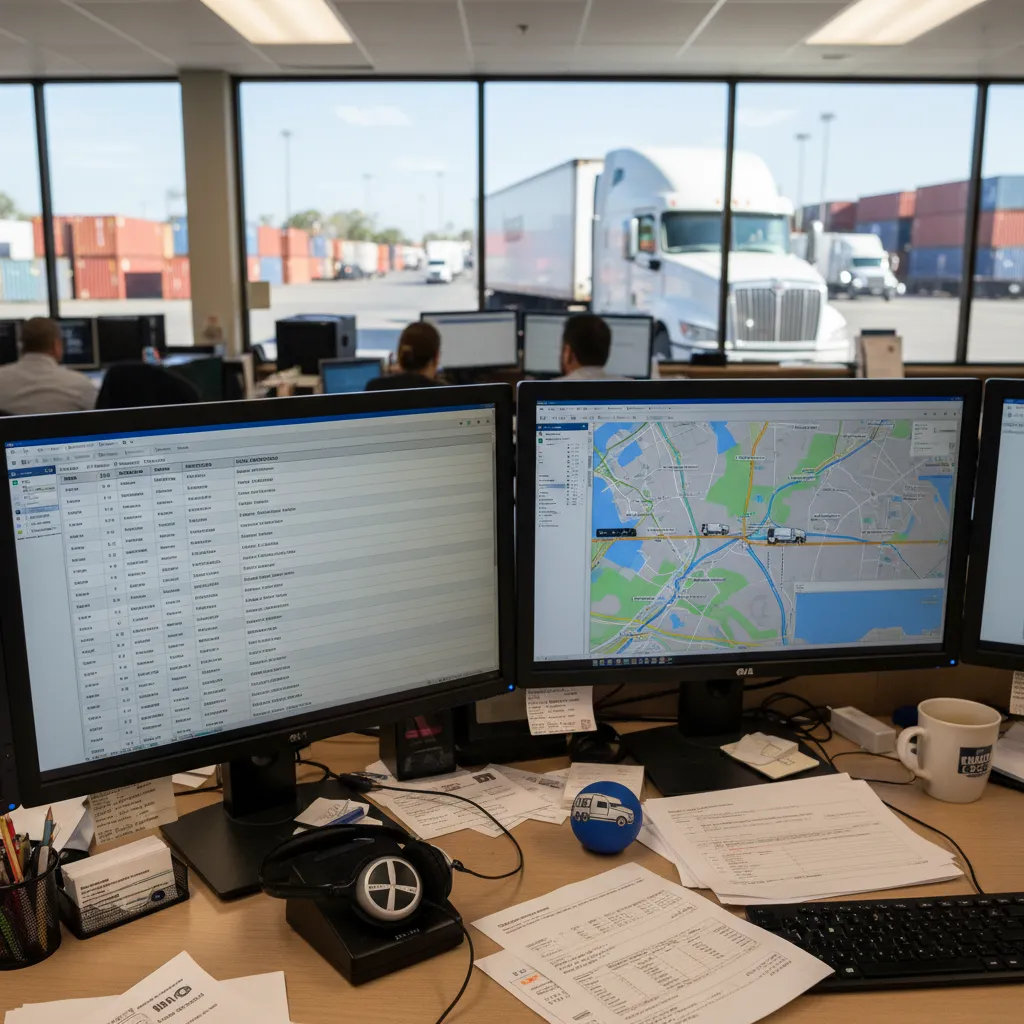
Most carriers lose drivers not because their pay is too low, but because their response is too slow. In a market where active drivers often apply to five or six companies simultaneously, the recruiting process becomes a race of logistics. If a driver is sitting at a truck stop filling out applications on their phone, the recruiter who calls while that driver is still thinking about their career move has the highest probability of moving them to the orientation phase. Delaying that call by even thirty minutes often means the driver has already started a conversation with a competitor.
TL;DR: The Core of Fast Recruiting
- Immediate Response: Calling within five minutes increases contact rates significantly.
- Process Over Effort: You cannot work harder to fix a broken lead-rotation system.
- Data Visibility: You must measure time-to-first-call to manage recruiter performance.
- After-Hours Strategy: Automation or night-shift coverage is required for weekend leads.
- Technology Integration: Using a power-dialer and automated SMS keeps leads warm.
The Reality of the Lead Decay Curve
The value of a lead drops every minute it sits untouched. A driver who submits a lead form is signaling immediate intent. In the trucking industry, this intent is fleeting. Drivers are mobile, often moving between loads or dealing with short windows of downtime. When a recruiter waits until the next morning to follow up on a lead from the previous afternoon, they are often calling a driver who has already scheduled a road-test elsewhere.
Recruiting managers must view speed-to-lead as a critical KPI. If you are not monitoring how long an application sits in your queue before a phone call is placed, you are likely overspending on lead generation. High cost-per-hire is frequently a symptom of slow response times rather than poor lead quality. You can use this truck driver cost per hire calculator to see how these inefficiencies impact your bottom line.
Solving the After-Hours Lead Problem
Drivers do not stop applying at 5:00 PM. In fact, a large volume of applications arrive during evening hours and over weekends when drivers are finished with their HOS for the day. If your office is closed, those leads sit cold until Monday morning. By then, your recruiters are facing a backlog that takes hours to clear, further delaying new Monday leads.
To solve this, carriers should consider two approaches. First, automated SMS responses can acknowledge receipt and even allow the driver to schedule a call for the following morning. Second, deploying specialized cdl driver recruiting software can automatically sort and prioritize these leads based on qualifications like CDL-A status or specific endorsements. This ensures that when the team arrives, they are calling the most valuable prospects first.
Organizing Recruiter Workflows for Speed
Speed is often hindered by administrative friction. If a recruiter has to manually enter data from a lead form into a spreadsheet before making a call, you have already lost the race. The workflow must be streamlined so that the lead flows directly into a dialing queue.
- Lead Distribution: Use automated rotation to ensure no single recruiter is overwhelmed while others are idle.
- Instant Notifications: Recruiters should receive desktop or mobile alerts the second a qualified application hits the system.
- One-Click Dialing: Eliminating manual dialing saves seconds on every call, which adds up to hours across a recruiting team's week.
Managing recruiter-capacity is also essential. If a recruiter is managing too many leads, their response time will naturally slow down. Use this recruiter capacity calculator to determine if your team is stretched too thin to maintain a competitive speed to lead.
The Role of Automated Prescreening
Not every lead deserves an immediate phone call. Speed to lead should be focused on "qualified" leads. If a driver does not meet your minimum requirements—perhaps they lack a tanker-endorsement for a specific role or their clearinghouse record is not in good standing—your recruiters should not spend their prime hours on that call.
Implementing prescreening questions in the initial application allows your system to filter out those who don't meet the basic criteria. This allows the recruiting team to focus their energy on the high-value candidates who are ready for an MVR check and PSP report. Fleegital provides tools that help automate these initial steps, ensuring your team only spends time on drivers who can actually be seated in a truck.
Managing Leads Across Different Hubs
For larger carriers or those hiring owner operators, managing leads across different regions or divisions adds complexity. A centralized system is required to ensure that a lead for a dedicated-route in the Midwest doesn't get lost in a queue meant for OTR drivers.
Fragmented systems are the enemy of speed. When recruiting, safety, and compliance teams operate in silos, the time it takes to move a driver from an initial call to a DOT medical card verification can span days. By integrating these functions into a single platform, you reduce the internal "dead time" where the driver is waiting for your team to take the next step.
Why Data Transparency Matters
You cannot improve what you do not measure. A recruiting manager should be able to look at a dashboard and see the average time-to-first-call for the entire team and individual recruiters. This data creates accountability. If one recruiter consistently has a 2-hour response time while another averages 10 minutes, the impact on their respective hire rates will be obvious.
Transparency also helps in identifying bottlenecks. If the speed to lead is high, but the time to move from the first call to a full DQF is slow, you know the issue isn't the initial contact—it is the downstream paperwork. Using DQF automation can help bridge this gap, keeping the momentum going after that successful first call.
Action Steps for This Week
To improve your speed to lead immediately, take these three actions before the end of the week. First, conduct a "secret shopper" test: submit a lead on your own website and time how long it takes for a recruiter to call you. Second, review your lead distribution settings to ensure leads are being assigned instantly rather than waiting for manual intervention. Third, pull a report on your after-hours lead volume from the last 30 days to determine if you need to implement an automated SMS reply or adjusted shift coverage to capture weekend applicants.
FAQ
How fast should a recruiter call a new driver lead?
Ideally, a recruiter should call a qualified lead within five minutes of the application being submitted. Research across multiple industries shows that the probability of connecting with a lead significantly decreases after the first ten minutes.
Does speed to lead matter for owner-operators as much as company drivers?
Yes, because owner-operators are running a business and often look for new lease-on opportunities when their current situation is failing. They prioritize carriers that demonstrate professional, efficient communication from the first point of contact.
What if we get leads when the office is closed?
If you cannot staff a night shift, use automated SMS tools to instantly engage the driver. An automated message can confirm receipt, ask a qualifying question, and provide a link for the driver to book a call on the recruiter’s calendar for the next business morning.
Tagged